Organiser essentials
Everything you need to organise an international event in the Netherlands
Organising an international event in a new country raises questions about regulations, permits and local requirements. This page is designed to give you a clear overview of what to expect when organising an event in the Netherlands, and how Royal Dutch Jaarbeurs will support you every step of the way.
How to organise an international event in the Netherlands
Organising an event in the Netherlands is straightforward. Most event professionals follow three simple steps.
Start with the basics:
- Type of event (conference, exhibition or corporate event)
- Preferred dates
- Expected number of attendees
- Programme requirements
You don’t need every detail worked out. A clear outline is enough to start exploring options and receiving relevant advice.
The venue is more than just a location. It plays a key role in safety, accessibility, logistics and compliance.
At Jaarbeurs, many requirements are already covered through certified processes, experienced teams and established event infrastructure.
This gives you:
- Professional event facilities
- Clear safety procedures
- Experience with international organisers
- One connected site for conferences, exhibitions and meetings
As a result, planning becomes simpler from the start.
Helpful sources
- Business.gov.nl – Event licences & regulations
Official overview of Dutch event regulations and responsibilities - EU‑OSHA (EU Occupational Safety & Health)
Overview of health and safety responsibilities in the Netherlands - gov.nl – Event licences in the Netherlands
Clear explanation of when permits or notifications are required - Organising an event in Utrecht
Local permits, policies and requirements
Once your venue is confirmed, the focus shifts to delivery.
This includes:
- Logistics and supplier coordination
- Technical production and venue preparation
- Delegate communications
- Travel and visa information
- Health, safety and accessibility information
An experienced venue team can help guide these processes and ensure your event runs smoothly.
Helpful sources
- Government of the Netherlands – Check if you need a visa
Official visa checker and explanation - Netherlands Worldwide (Ministry of Foreign Affairs)
Country‑specific visa guidance and application procedures
How Jaarbeurs supports you
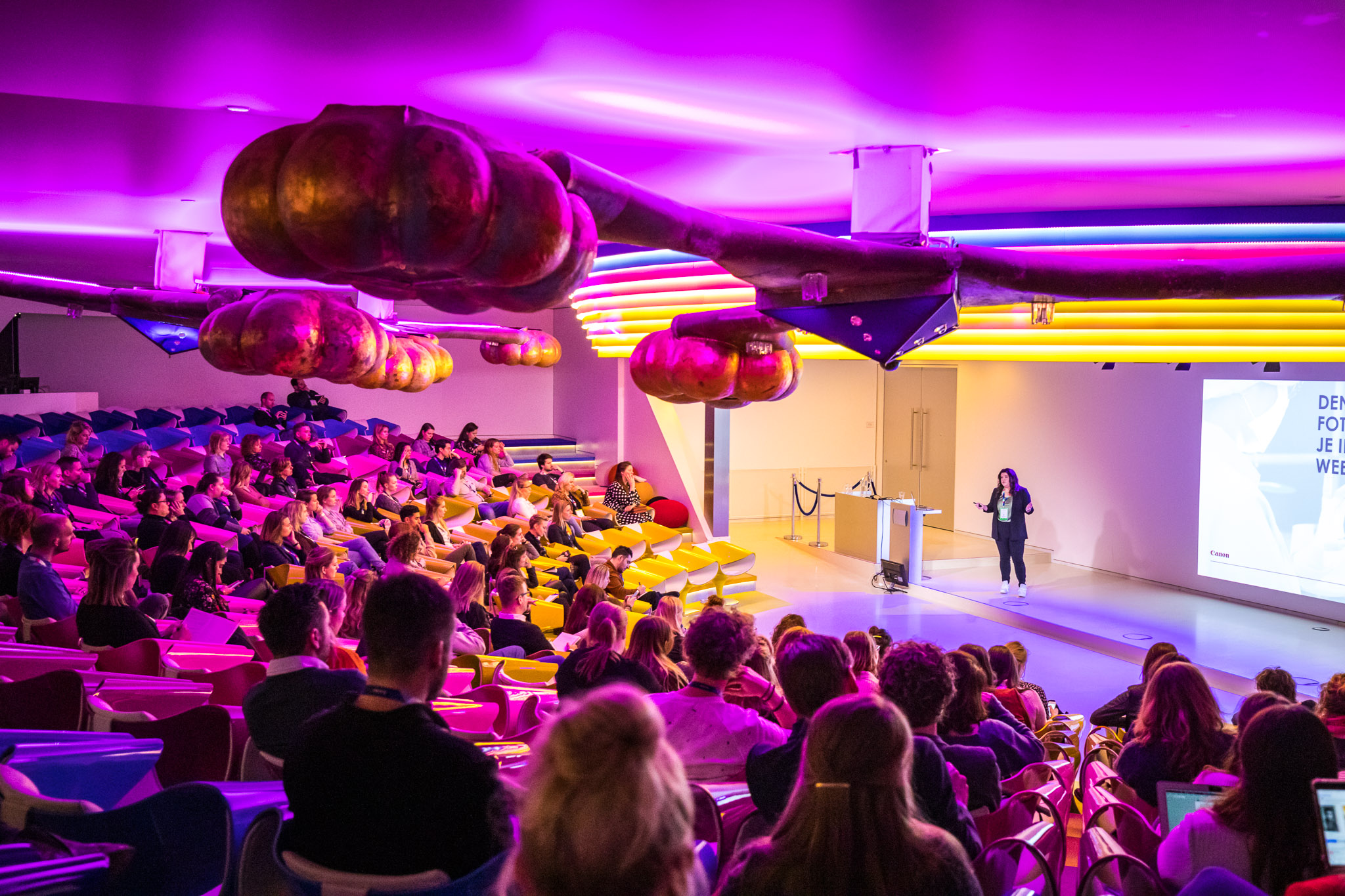
You don’t have to navigate this alone. The Jaarbeurs teams regularly organise and facilitate international congresses, exhibitions and corporate events. Their rich experience is apparent in the way processes are set up, explained and supported. Organising an event at Jaarbeurs means you benefit from:
- A venue partner that meets national and international standards
- Experience with permits, regulations and compliance
- Practical guidance on what applies to your event
- Close coordination with local partners where needed
All this and more allows you to focus on content and experience, not paperwork.
Sustainability & public tenders
Green Key Gold
International sustainability certification — often required by public organisations, universities and associations.
Quality & professional standards
YOIN Excellent Meeting Places
Independent quality label for conference and event venues, based on audits of service, safety and organisation.
Data security & privacy
ISO 27001
International standard for information security management — relevant for GDPR‑sensitive events and attendee data.
Healthcare & Life Sciences compliance
Green Healthcare Compliant Venue
Certified venue for medical and healthcare congresses, with proven experience in meeting industry codes of practice.
International exhibition standards
UFI Sustainable Development Award
Global industry recognition from UFI for sustainable practices within the exhibition sector.
Ready to plan with confidence?
If you’re considering the Netherlands for your next international event, our team will be pleased to explain which standards and regulations apply and how to move forward smoothly.
Contact us today
Andrea, Jannemarije, Anke, Kelly, Corry